
 While involved in ‘the challenging waters’ of career transition, the same chaotic, jobless, trying times are very productive times. Don’t waste them by floundering with lack of focus and direction, falling into the dark, depressive attitude of distractions and, worst of all, inaction…
When we are employed, we tend to function under the guidance of our employer’s business plan, or, more specifically, our job description. Our ‘routine’ is defined by:
- Personal accountability to a labyrinth of responsibilities, some structured— some not structured at all—but all contributing to productive work activities…
- We create productivity and efficiency with our sense of time management…
- And as ‘top talent’ professionals, we often take initiative, make process improvements, and contribute to the Company’s growth.
This Week’s Session, Thursday, August 2nd, 8:45 AM, at The Egg and I Restaurant in Addison… Developing Your Personal Marketing Plan
 So, why not recreate all that with OUR OWN PLAN, a Personal Marketing Plan, to move toward job satisfaction, commitment, and appropriate compensation, for the rest of our careers… including any current, short term job search? But, before looking at what such a Personal Marketing Plan would look like, let’s review the PREPARATION Portion of the 12-step Process Model (on the left).
If an individual is under-employed, seeking a change, or actually unemployed, they must be visible to potential employers who are seeking their services. Creating this visibility is strategic, personal market planning and execution—in can be marketability without rejection!
And, employed or not, Modify and improve your Personal Market Plan’s implementation model as needed… As you move through your career transition or ‘job search campaign,’ make adjustments as you would a business model.
BRANDING Yourself In The OTHER Job Market
Your “market-tested” RESUME TEMPLATE can now serve as the basis of your correspondence templates. Become familiar with the AUTO TEXT and MAIL MERGE applications within MS Word to create efficiency in the editing of your templates to meet the needs of specific opportunities that you are marketing yourself to.
Now it is REALLY beginning to feel like YOU are market-ready… but, THE Careerpilot encourages you to be totally prepared before you do. Let’s not forget to be prepared for the digital face of the job market…
LinkedIn Task#1: INITIATING YOUR SOCIAL MEDIA STRATEGY
The Careerpilot’s high TECH-HIGH TOUCH philosophy comes into play with the explosive growth of using social networks to recruit top talent and for job seekers to build relationships, meet new contacts, and market themselves. While the Internet provides many choices, diving into the virtual meet-and-greet can represent a real challenge.
Which one is worthy of your start-up investment: learning curve time and actual ROI of your efforts… Where to begin? The Careerpilot encourages a choice that reasonably assures one’s confidentiality, has a multitude of useful applications, and can serve as your focal point of networking decisions… LinkedIn.
INITIAL RESEARCH: To Create Focus
Make a concerted effort to research trends and target organizations of geographies, industries, and functions that interest you. Access market research reports, the Internet, your own network… start with the resources with which you are already comfortable. Develop your research awareness and abilities.
Begin to assemble your INITIAL Target Organization List. Start your list of companies and industries that are attractive to you. Your targets are companies that utilize the functionality and RESULTS that you can bring to the table. A great start is to consider industrial trends in the marketplace that point to an organization’s need for your services.
INITIAL CONTACTS List
Make a list of coworkers, bosses, customers, suppliers, associates, external consultants, etc. Make a list of family, extended family, friends, relatives of friends, neighbors, people you know from special interest groups like bowling or bridge, church contacts, former classmates or alumni, and professionals like your doctor, dentist, or hair stylist.
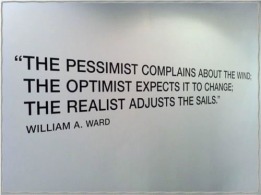 In the traditional marketplace, potential employers seem to have the upper hand… but like the ol’ half full glass of water, remember that from the employer’s view available top talent seems like a sea of unwashed faces, too.
 Standing-out in the “sea of unwashed faces” becomes the simple matter of adjusting ones sales when in the challenging waters of career transition.
 The term “third party recruiter” goes by many names, including contingency agencies, executive search firms, retained search firms, employment agencies, headhunters, recruiters, and temp agencies. These all fall under the umbrella of the “staffing industry.”
 In embracing The OTHER Job Market, a successful professional seeking their next appropriate employment will learn the technique of using the services of a third party recruiter. Our goal is to understand their world, from THEIR viewpoint, in order to optimize the effectiveness of our efforts looking for work.
 So, how does a concept from the field of engineering get itself into the dysfunctional event called INTERVIEWING? Reverse engineering is a detailed examination of a technical product or service, with the end-game of producing something similar. In fact, this method could also apply to the job interview because sometimes, in a job interview, the candidate does not properly understand the question the interviewer has asked, and therefore the answer, of course, would likely not be the best. In other words, the most important element of the job interview is that the candidate clearly and fully understand the context and issue involved with each question if that candidate’s answers are to meet the interviewer’s expectations.
 It’s a sad fact that many of the people who conduct job interviews, those representing your potential employers, have never taken even one structured course about carrying out a thorough and productive interview. And it’s disturbing that many
  Targeted Organization Networking (networking your way IN to an organization of choice) is the first step to getting desired interviews and landing an offer,
  Call Reluctance is nothing to be embarrassed about; living with it needlessly

 Social media is a great place to learn about and create a digital conversation with your market. Potential employers do not want to be talked-to, or worse yet sold-to on these platforms. Your followers want to know they have a place to come learn, to ask questions about things THEY care about, and to know they are being heard.
 Here are some things we’ve learned from listening to those we’ve served since the advent of LinkedIn, the preferred place for professional level job seekers to leave their “digital footprint.”
 Lack of knowledge regarding the process. If you don’t understand the interactive nature of networking, now’s the time to learn. To be an effective net-worker, you need to be willing to serve as a conduit, sharing information, building relationships based on trust and reciprocity, leveraging existing relationships to create new ones, and following through to create ways to stay in touch to continue giving.
 Networking is about building trust and respect, not tearing away at it! Be aware of the effectiveness of networking. Most people in a job search spend too much time canvassing the open job market, the market everyone gets to see through job posting boards and recruiters. APPLYING for jobs is quite less effective than networking your way toward your next right opportunities.
 Many people talk about “information overload” and “decision fatigue” when it comes to how to conduct your job search, or write your resume, or develop your LinkedIn Profile…or answer those challenging interview questions.
  So, how can you ensure another ‘second opinion’ doesn’t cloud your judgement?
 This topic represents what most people call ‘active job search, but, as you can learn, the HOW –TO is what creates your success in networking. It professes strategies and tactics that will generate more effective networking.
 You’ll be the first to know when you’re ready for ‘wave 2’ of networking… which, simply put, is networking your way in to attractive opportunities. You will focus your activity and time management to the business of creating INTERACTIVE COMMUNICATION with employees, customers, and vendors–the “stakeholders”– within and surrounding any targeted organization.
 MYCAREERpilot