
 The holidays are a fun time to share gifts, visit with friends and family, take a break from work, and, let’s hope, relax. The trouble is that they are over fairly quickly. And once those days are over, people return to their regular routines, which now seem dull, or worse, depressing.
The biggest difficulty in getting back to the disciplined grind of job search is seeing the rewards and joy in what we do every day.
This Week’s Session, Thursday, January 10th: Achieving CareerFIT, an exploration of the assessment process
 The contrast between ‘happy holidaze’ and ‘disciplined job search’ can be dehabilitating if we think about it that way. People underestimate how exhausting even happy holidays are and how much rest we need to recover… The holiday hangover is real… Don’t expect to be 100% productive on your first day back at it.
Once people get some rest over the weekend after the first week back, the fatigue should ease up significantly. Be aware of the signs that you may be overworked or over-stressed. These include uncharacteristically negative thoughts and feelings, as well as not finding time for or no longer looking forward to things you used to enjoy.
Burnout is a serious issue and can lead to severe depression and even suicidal ideation if left unaddressed. Some of the physical symptoms include heart palpitations, gastrointestinal issues, and excessive weight loss or gain. But you don’t have to experience any of these.
Back in school, we used to refer to the time between Christmas break and St. Patrick’s Day as ‘the dark ages.’ On ‘the job search calendar,’ this is actually the most productive time of the year.
With some effort and a few tricks, you can make it through this stressful transition period right after the holidays and prevent it from dragging out.
1. Think of time as an investment
We spend so much time getting ready for the holidays and then they are over in just a week, which can be disappointing. The best way to deal with that feeling is to think about the holiday preparation as an investment: The time you spend decorating, buying gifts, and making plans is really an investment in creating a special experience for you and yours that will continue to pay dividends long after the holidays are over. Like all investments, sometimes it doesn’t pay off in the way we hoped, but we can rest in the knowledge that we invested ourselves in something personally meaningful.
2. Don’t expect perfection
It’s important to have compassion for yourself and others about the transition back and not expect perfection. You may want to disclose too many personal stories, giving out a lot more than just professional information. If you want to keep things more professional, express empathy, and gently redirect your networking dialog to work related matters.
3. Know it’s unnatural to simply switch off from the “happiness of the season”
In a way, it is unnatural for people to completely compartmentalize their lives when they walk in or out of the disciplined structure of productive and efficient job search activity. While appropriate boundaries are important, it is unhealthy to stuff thoughts and emotions down or deny them just because the clock says it is time; finding that balance can be a real challenge for some.
Realistically, it takes a couple of weeks to really get back into a regular routine… People spend the last 30 to 90 days of the year winding down and letting go of all their good habits… It’s going to take time to re-establish healthy behaviors and get back on track.
4. Use technology with purpose
It’s not about permanently switching off your computer or television and throwing out your smartphone. Absolutes may not be the answer. Instead, it can be helpful to think about how you choose to use social media and other available technologies… what purpose you want it to serve for you. Is it serving that purpose?
If not — and especially if it takes more away from you then you get out of it — it might be time to be more intentional about media consumption and only use it for the purpose you want.
5. Give yourself a ramp-up period
“Maybe use a couple of days to figure out your new goals and professional expectations for this year,” Taylor said. “Let yourself slowly (but steadily) get back into your routine.” You can burn out if you try to jump back in too quickly, so take one task at a time and set a rhythm for yourself, she added.
6. Stay away from unmotivated people
They can be contagious… If you’re around folks who haven’t gotten back into the swing of things, it’s easier to follow suit. They may actively be telling you that ‘there’s always tomorrow’ or ‘just start on a Monday,’ or it may just be something you feel is easier when no one else around you is moving forward. Avoid these people for a while, if you can.
Network and develop your network with employed people.
7. Go on short walks
After the holidays, our minds might wander and we might be thinking about places we’d rather be or things we’d rather be doing than staying engaged in SMART jo search activities. By spending just five minutes quietly focusing on your breath, you can bring a sense of calmness and clarity to your day and increase attention to your work-at-hand.
8. Exercise
THE CareerPilot recommends regular exercise — and especially outdoor exercise if the weather permits… It helps regulate levels of cortisol, the “stress” hormone, and adrenaline. It can be very effective at getting our bodies and moods regulated again for countless reasons. If you haven’t had a regular practice…START ONE!
9. Be mindful of the good times ahead
Remembering the good memories from the holidays, while also being mindful of the good times in the coming weeks, months, and in the new year can be helpful in beating the post-holiday blues. Being stuck in the past makes a person less open to and appreciative of the next big thing that may come along.
Physically active people are also more productive and motivated in all areas of their lives. You can get more energy, and the same chemicals released from an antidepressant medication, when you’re working out.
10. Practice gratitude
Practicing gratitude is very helpful but not in a hit-and-run way… It is more helpful if a person spends some time reflecting on why he or she is grateful and how it is meaningful. Spending time regularly practicing gratitude rewires the brain by gradually shifting what we pay attention to and are aware of.
You get bonus points if you express your gratitude in depth to another person and build it into your home or job search dialog.
 The leading cause of long job searches is low marketability or like-ability…Rather it is the lack of ACCOUNTABILITY to appropriate time management and regular implementation of productive activities. That said, what are YOU going to DO about it?
 A good accountability partner can make a major difference in one’s job search. I have seen many job seekers flounder because they launch their search efforts before they are totally prepared for the unique adventure ahead. The power of partnering comes in to play when two well prepared job seekers come together to hold each other accountable for the activities and time management involved in productive search efforts.
 You can call this coincidence if you want, I did for a while until I saw it happening over and over, and the people using the accountability partner were giving them the credit for their success. Or you could call it peer pressure … but whatever you call the ‘fuel.’ The resultant energy cannot be denied… it works.
 Pick your favorite cliche’ … “It’s always darkest before the storm…” or “Red in the morning, sailors take warning…” or, “When life hands you a lemon, make and enjoy some fresh lemonade!” Career transition history shows that the ‘Dark Ages,’ the time between Thanksgiving and early January is horrible for actual job placements… but a terrific time for pro-active networking! WHY??
 Conventional wisdom is that company’s speed up their hiring to use up year-ending budget dollars. Nearly forty years of ‘reality therapy’ has shown me that company’s…
 Many people talk about “information overload” and “decision fatigue” when it comes to how to conduct your job search, or write your resume, or develop your LinkedIn Profile…or answer those challenging interview questions. THE Careerpilot believes there’s another side to the coin… Receiving options is actually motivational and liberating, with the right mindset. Asking for someone else’s advice isn’t about getting the right answer out of them. Rather, it’s about adding perspective to your view so you can choose the right answer for you.
 First and foremost, understand that your ‘core personality,’ defined by your unique strengths, skills, interests, preferences, and values (Step#1: ASSESSMENT), drives your “gut feel” on matters of choice. TRUST that!
 If you don’t understand the interactive nature of networking, now’s the time to learn. To be an effective networker, you need to be willing to serve as a conduit, sharing information, building relationships based on trust and reciprocity, leveraging existing relationships to create new ones, and following through to create ways to stay in touch to continue giving.
  To “embrace the OTHER job market” is to understand that,
  In order to market yourself, you must first know yourself. The job search process is essentially a highly personalized marketing process. The process starts with your candid self-assessment, which allows you to gain a thorough and workable understanding of who you are in product marketing terms. When a Company looks for qualified employees, they seek functional evidence that demonstrates a job seeker’s ability to perform to expectations… JOB REQUIREMENTS represent the HR screening process!
 Especially if you are starting a resume “from scratch”, or if you are truly unsettled on next steps along your career path, this becomes a necessary first step in the process.
 In every marketplace, there are buyers and sellers.
  In the OTHER Job Market
 While involved in ‘the challenging waters’ of career transition, the same chaotic, jobless, trying times are very productive times. Don’t waste them by floundering with lack of focus and direction, falling into the dark, depressive attitude of distractions and, worst of all, inaction…
 So, why not recreate all that with OUR OWN PLAN, a Personal Marketing Plan, to move toward job satisfaction, commitment, and appropriate compensation, for the rest of our careers… including any current, short term job search? But, before looking at what such a Personal Marketing Plan would look like, let’s review the PREPARATION Portion of the 12-step Process Model (on the left).
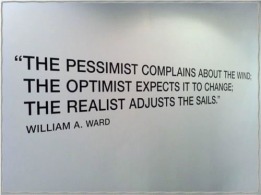 In the traditional marketplace, potential employers seem to have the upper hand… but like the ol’ half full glass of water, remember that from the employer’s view available top talent seems like a sea of unwashed faces, too.
 Standing-out in the “sea of unwashed faces” becomes the simple matter of adjusting ones sales when in the challenging waters of career transition.
 MYCAREERpilot